

Keeping your Reebok shoes clean is essential for maintaining their appearance, extending their lifespan, and ensuring they perform at their best. Dirty shoes can deteriorate faster and even lose some of their functionality. In this blog, we’ll walk you through the step-by-step process of washing your Reebok shoes, highlighting important tips and best practices. Whether you’re dealing with everyday grime or stubborn stains, our guide will help you keep your shoes looking fresh and new.
Understanding Your Reebok Shoes:
Before diving into the cleaning process, it’s important to understand the type of Reebok athletic shoes you own. Reebok offers a variety of footwear designed for different purposes, and each may require a slightly different cleaning approach.
Types of Reebok Shoes:
- Running Shoes: These are designed to provide support and cushioning for long-distance running or intense workouts. They often feature mesh uppers for breathability and lightweight materials for comfort.
- Casual Sneakers: Perfect for everyday wear and a walk in the park, casual sneakers combine style and comfort. They can be made from various materials, including leather, suede, and synthetic fabrics.
- Training Shoes: These are versatile and built for cross-training activities like weightlifting, aerobics, and high-intensity interval training (HIIT). They typically offer more grip and lateral support.
- Basketball Shoes: Designed to provide support and stability during basketball games, these shoes often have high-tops for ankle support and durable outsoles for better traction on the court.
Importance Of Knowing Your Shoe Material:
The material of your Reebok athletic shoes plays a crucial role in determining the appropriate cleaning method. Different materials react differently to water, detergents, and cleaning tools. For instance, mesh and synthetic fabrics are generally more forgiving and easier to clean than delicate materials like suede or leather. Knowing the material of your shoes helps you choose the right cleaning products and techniques, ensuring you don’t accidentally damage them. Always check the care instructions provided by Reebok for the best cleaning practices tailored to your specific shoe model.
Materials You’ll Need:
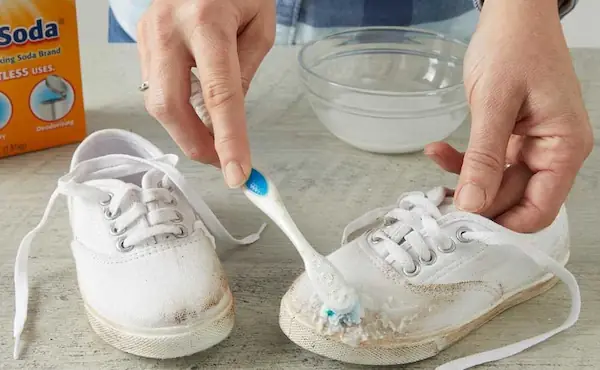
Preparing the right materials before you start the cleaning process ensures that you can clean your Reebok shoes effectively and safely. Here are the essential cleaning supplies you’ll need:
- Shoe Cleaner: Choose a mild, sneaker-specific cleaner or a gentle soap that’s safe for all materials. One highly recommended product is Jason Markk Premium Shoe Cleaner—it’s effective and safe for a variety of fabrics.
- Soft Brush: A soft-bristled brush is perfect for scrubbing away dirt without damaging delicate materials. Consider using the Jason Markk Standard Brush or a similar product.
- Microfiber Cloth: A microfiber cloth with detergent is ideal for wiping down and drying your shoes, as it’s gentle on the material and highly absorbent.
- Warm Water: You’ll need warm (not hot) water to mix with the cleaner and rinse off the soap. Be cautious with the water temperature to avoid breaking or damaging certain shoe materials.
- Soft Sponge: A soft sponge can be used for washing the racing shoe’s exterior and is particularly useful for cleaning mesh or synthetic areas.
- Magic Eraser: This can help remove scuffs and stains from the rubber midsoles and outsoles of your shoes.
- Old Toothbrush: For hard-to-reach areas and tougher stains, an old toothbrush can provide detailed scrubbing without being too harsh.
- Towels or Paper Towels: Use these to stuff the inside of your shoes, helping them retain their shape while drying and absorbing excess moisture.
Preparing Your Shoes For Cleaning:
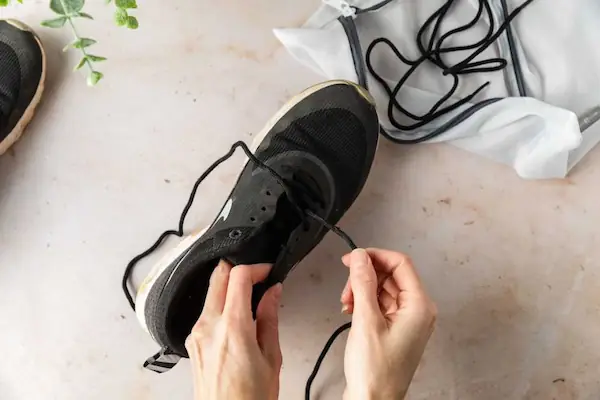
Before diving into the cleaning process, it’s crucial to take a few preparatory steps to ensure effectiveness and protect the integrity of your Reebok shoes:
- Remove the Laces: Start by taking out the laces from your shoes. This allows you to clean both the laces and the eyelets thoroughly. You can wash the laces separately either by hand with soap and water or by placing them in a mesh laundry bag and running them through a gentle cycle in the washing machine.
- Take Out the Insoles: If your Reebok shoes have removable insoles, take them out before cleaning. This step helps the insoles dry more quickly and keeps the inside of the shoes from becoming waterlogged. Clean the insoles separately with a mild soap and a soft brush, then let them air dry completely before reinserting them.
- Brush Off Loose Dirt: UUse a dry soft-bristled brush, like an old toothbrush or a dedicated shoe brush, to remove any loose dirt and debris from the exterior of white shoes. This prevents dirt from being rubbed deeper into the material during the machine washing process.
- Check the Care Label: It’s always a good idea to check the care label on your shoes before you start cleaning. The label provides important information about the materials and the recommended cleaning methods, helping you avoid any damage. Following the manufacturer’s guidelines ensures that you use the best practices tailored to your specific shoe model.
How To Hand Wash Reebok Shoes:
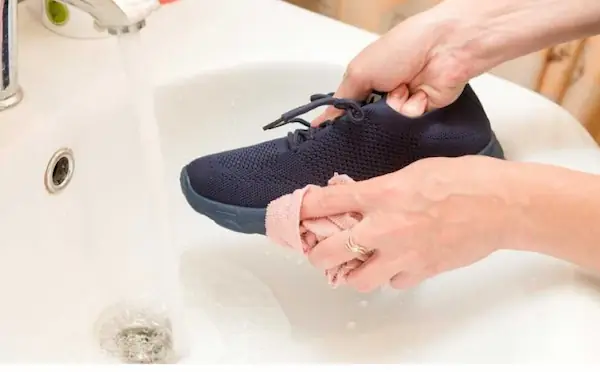
Washing your Reebok shoes by hand is a gentle and effective way to maintain their appearance and prolong their lifespan. Here is a detailed step-by-step guide to help you through the process:
- Prepare Your Cleaning Solution: Mix a small amount of mild sneaker-specific cleaner or gentle soap with warm water in a bowl or machine to remove excess dirt. Avoid using harsh detergents or bleach, as these can damage the material and color of your shoes.
- Clean the Uppers: Dip your soft brush or sponge into the soapy water and gently scrub the uppers of your shoes in circular motions. For mesh and synthetic areas, use a soft-bristled brush to avoid fraying the fabric. Leather areas can benefit from a microfiber cloth dampened with the cleaning solution to avoid scratching the surface.
- Address Stains and Scuffs: For stubborn stains or scuffs on rubber midsoles and outsoles, use a magic eraser. Moisten the eraser slightly and gently rub the affected areas until the blemishes disappear. Be cautious not to use the magic eraser on fabric or leather portions, as its abrasive nature can cause damage.
- Rinse with Warm Water: Once the shoes are clean, use a soft sponge, damp cloth, or cloth moistened with warm water to wipe away any remaining soap residue and excess dirt. Make sure to remove all soap to prevent it from leaving residues that can attract more dirt.
- Clean the Insoles: Wash the insoles separately using a soft brush and mild cleaning solution. Scrub gently to avoid damaging the foam or fabric. Rinse thoroughly with warm water and allow them to throw air dry completely.
- Dry Your Shoes: After cleaning, stuff the inside of your shoes with towels or paper towels. This helps them maintain their shape and absorbs excess moisture. Place your shoes in a well-ventilated area away from direct sunlight or heat sources to air dry. Avoid machine drying or placing them near a heater, as high heat can deform and damage the material.
Tips For Different Materials:

Each type of material requires specific care to ensure longevity and maintain their appearance:
- Leather: Use a specialized leather cleaner and a soft brush or cloth. Avoid soaking leather shoes or using excessively wet cleaning methods, as this can cause the leather to warp or crack. After cleaning, consider applying a leather conditioner to keep the leather supple.
- Mesh: Mesh is generally easy to clean and forgiving. Use a soft brush dipped in the cleaning solution to gently scrub the mesh areas. Ensure thorough rinsing to remove all soap residues, as these can leave marks when dried.
- Suede: Suede is delicate and can be easily damaged by water and harsh chemicals. Use a suede-specific cleaner and brush designed to lift and clean the nap without water. For stubborn stains, a suede eraser or a dedicated suede cleaning kit can be useful.
- Synthetic Fabrics: Synthetic materials are usually durable and less prone to damage from water. Use a soft brush and soapy water for cleaning, and ensure thorough rinsing. Avoid high heat when drying, as excessive heat can cause synthetic materials to warp or melt.
Using A Shoe Cleaner:
Choosing the right shoe cleaner for your Reebok shoes is essential for maintaining their look and extending their lifespan. Here’s how to select a compatible cleaner and the best practices for applying it effectively:
- Identify the Material: Before purchasing a shoe cleaner, determine the primary materials of your Reebok shoes. Common materials include leather, mesh, suede, and synthetic fabrics. Each material often has specialized cleaners designed to work without causing damage.
- Check for Compatibility: Look for a cleaner that specifies compatibility with the type of material your shoes are made of. Some cleaners are multipurpose, but always read the label to ensure it’s safe for your specific shoe materials.
- Opt for Mild Formulas: Choose a cleaner with a mild formula free from harsh chemicals like bleach, which can damage the fabric and degrade the colours of your shoes. Sneaker-specific cleaners are often gentle yet effective.
- Look for Eco-Friendly Options: If you’re environmentally conscious, opt for biodegradable and non-toxic cleaners for your sneakers. These formulas are not only safer for the environment but also less likely to cause irritation to your skin.
Instructions on Applying Shoe Cleaner Effectively:
- Preparation: The best way to start is by removing the laces and insoles from your sneakers. Use a soft-bristled brush to remove any loose dirt and debris from the surface of the sneakers.
- Mix the Cleaner: If you’re using a concentrated cleaner, mix it according to the manufacturer’s instructions. Typically, this involves diluting a small amount of cleaner with water before you wash.
- Apply the Cleaner: Dip a soft brush or sponge into the cleaning solution and gently scrub the exterior of the shoes in small, circular motions. Focus on areas with stains or heavy dirt but be gentle to avoid damaging the material.
- Spot Clean Tough Stains: For stubborn stains, apply a small amount of undiluted cleaner directly onto the spot. Use a softer brush or a washed cloth to gently work the cleaner into the stain.
- Rinse Thoroughly: Once the shoes are clean, rinse with a soft sponge or cloth soaked in clean, warm water to remove all traces of the cleaning solution. Ensuring all cleaner is rinsed away prevents any residue that could attract more dirt.
- Dry Properly: Stuff the shoes with towels or paper towels to help them maintain their shape and absorb excess moisture. Allow the shoes to air dry in a well-ventilated area away from direct sunlight and heat sources. Let the insoles dry separately.
Cleaning Reebok Running Shoes:
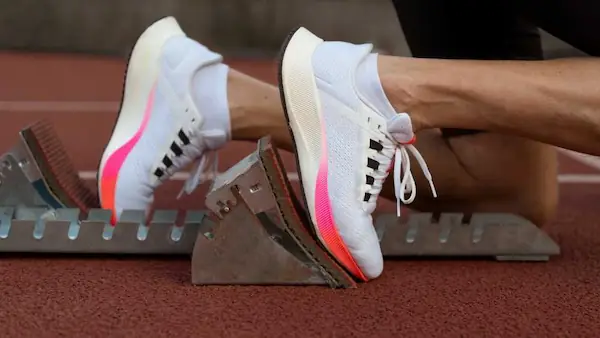
Reebok running shoes require specific care to stay in optimal condition. They often encounter dirt, mud, and sweat, which can degrade their performance and appearance. For mud, let it dry completely before cleaning, as dried mud is easier to remove with a stiff brush. For remaining dirt, use a cloth or sponge dipped in a mild cleaning solution and scrub gently in circular motions, avoiding excessive water. Sweat stains often contain salt and oils. Remove the shoelaces and insoles; soak laces in a mild detergent solution and let them air dry. Gently scrub insoles with mild soap, rinse well, and air dry. Focus on the heel collar and footbed where sweat accumulates. Use a mild soap solution and a soft brush in small circular motions to lift sweat stains without harming the fabric. Alternatively, you can use a washing machine for a thorough clean; just ensure to use a gentle cycle with cold water and place the shoes in a mesh laundry bag to protect them.
After cleaning, ensure your shoes dry properly by stuffing them with paper towels to maintain shape and absorb moisture. Place them in a well-ventilated area away from direct sunlight or heat to avoid warping. Patience in drying ensures they keep their shape and functionality. Regular maintenance will keep your Reebok running shoes looking new and extend their life, providing better performance over time.
Drying Your Shoes Properly:
Properly drying your Reebok shoes is crucial to maintaining their shape, fit, and overall durability. Here are some recommended best practices:

- Stuff Your Shoes: After cleaning, stuff your shoes with paper towels or unprinted newspaper to help them retain their shape and absorb excess moisture. Change the paper as it becomes damp to enhance the drying process.
- Air Dry in a Well-Ventilated Area: Place your washed shoes in a cool, dry, and well-ventilated area. Ensure there is good airflow around the shoes to facilitate even drying.
- Avoid Using Direct Heat Sources: Avoid placing your pair of shoes near direct heat sources like radiators, heaters, or hairdryers. High heat can cause materials to warp, shrink, or become brittle.
- Remove Insoles and Laces: Allow the insoles and laces to dry separately. This ensures that moisture trapped in these components is fully removed, reducing the risk of mold or odors developing.
- Use a Fan: If you need to speed up the drying process, use an electric fan to circulate air around the shoes and soles, and don’t forget to remove the cap. This method is gentler than applying direct heat and helps dry the shoes and soles evenly.
- Use a Shoe Dryer: If available, use a shoe dryer designed specifically for delicate fabrics and materials. These devices provide gentle, consistent airflow that helps dry the shoes without risking damage.
Importance of Avoiding Direct Sunlight and High Heat:
Avoiding direct sunlight and high heat is paramount when drying your Reebok shoes. Exposure to intense sunlight can cause colors to fade and materials to become stiff and brittle over time. High heat can warp shoe components, including adhesives, leading to premature wear and potential damage. By drying your shoes in a shaded, well-ventilated area, you preserve their integrity and prolong their lifespan, ensuring they deliver the best performance and comfort.
Maintaining Your Reebok Shoes:
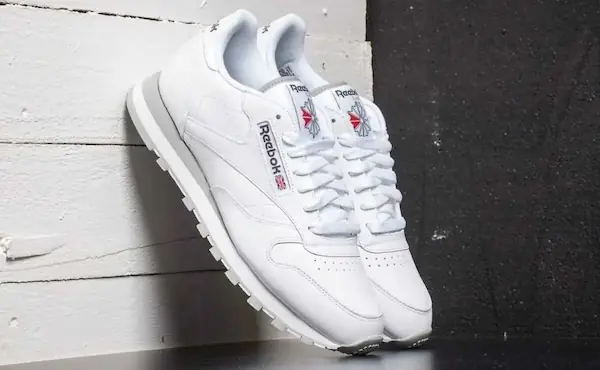
Regular maintenance is key to keeping your Reebok shoes in pristine condition. Establishing a careful cleaning routine ensures that dirt and stains are addressed before they become ingrained into the fabric. Aim to clean your shoes after every few wears, particularly if you’ve been engaging in activities that cause them to get dirty. Use a soft brush or cloth to carefully wipe off dust and surface dirt regularly, paying special attention to seams and stitching where dirt can accumulate. For a deeper clean, consider using the washing machine, but be sure to check the care instructions first.
How to Protect Shoes from Future Dirt and Stains:
To protect your Reebok shoes from future dirt and stains, consider applying a quality shoe protectant spray or detergent that is appropriate for the type of material your shoes are made from. These sprays or detergents create a barrier that helps repel water and stains, making cleaning easier. When applying, do so in a well-ventilated area and follow the manufacturer’s instructions for best results. Additionally, store your shoes in a cool, dry place and use shoe bags or boxes to prevent dust buildup. Rotate your shoes regularly to avoid excessive wear on any single pair, which will help maintain their appearance and longevity.
Conclusion:
To recap, washing and maintaining your Reebok shoes involves several key steps. Begin by understanding the material and specific care requirements for your shoe type. Prepare the necessary cleaning supplies, remove laces and insoles, and brush off loose dirt. Hand wash using a mild cleaner and soft brush, paying close attention to the material-specific tips. Properly dry your shoes by stuffing them with paper towels and avoiding direct heat sources to maintain their shape and integrity. Regular maintenance, such as using a shoe protectant spray and storing shoes properly, further extends their lifespan and keeps them looking fresh.
By incorporating these cleaning and maintenance practices into your routine, you ensure that your Reebok shoes remain in excellent condition, providing optimal performance and comfort. Regular care not only preserves their appearance but also enhances their durability, allowing you to enjoy your favorite Reebok shoes for years to come. So, take the time to clean and protect your shoes regularly, and experience the lasting benefits of well-maintained footwear.