

Looking for best quality clothing brands that are affordable?
Discover fashion gems without breaking the bank! Welcome to Affordable Quality Fashion, where we explore the best clothing brands that offer high-quality pieces without breaking the bank. In today’s fashion landscape, finding garments that boast durability, style, and affordability can seem like a daunting task, but it doesn’t have to be.
High-quality clothing is an investment that pays off in the long run. Superior fabrics, meticulous craftsmanship, and attention to detail not only enhance comfort and fit but also ensure that pieces withstand the test of time. On the other hand, affordability allows a broader audience to enjoy these benefits without compromising their financial well-being.
Finding the sweet spot between good quality and accessible price points is key to building a wardrobe that is both stylish and sustainable. Many brands now recognize the demand for affordable luxury in women’s clothing and are making efforts to deliver well-made clothing at reasonable prices.
In addition to affordability and quality, there’s a growing awareness around sustainable fashion and ethical clothing. Brands that prioritize eco-friendly materials, fair labor practices, and reduced environmental impact are rising in popularity. By supporting these brands, consumers can make informed choices that align with their values while still enjoying fashionable and durable apparel.
Why Choose Sustainable Clothing?

Choosing sustainable clothing brings a wealth of benefits that extend beyond individual style to the well-being of the planet. Sustainable practices in fashion encompass everything from the use of eco-friendly materials to ethical labor practices and thoughtful packaging. Here’s why shifting to sustainable clothing can make a significant difference:
Benefits Of Sustainable Practices And Eco-Friendly Packaging
Sustainable practices in the fashion industry prioritize reducing waste and minimizing environmental impact. By opting for brands that use eco-friendly packaging, consumers help decrease the amount of plastic that ends up in landfills and oceans. Biodegradable and recyclable materials in packaging not only reduce waste but also lessen the carbon footprint of shipping and handling. Brands focusing on sustainable practices often invest in high-quality, durable materials that ensure longer life spans for their products, promoting a culture of less frequent purchases and waste generation.
Positive Environmental Impact Of Organic Materials And Recycled Materials
Organic clothes materials such as hemp, and bamboo are grown without harmful pesticides and chemicals, which benefits both the environment and the farmers who grow them. These natural fibers are typically biodegradable and have a smaller ecological footprint compared to conventional cotton or synthetic fibers. Recycled materials, including recycled polyester and upcycled fabrics, divert waste from landfills and reduce the need for virgin resources. By utilizing recycled materials, brands can significantly lower greenhouse gas emissions and water usage involved in textile production. Supporting brands that use organic and recycled materials ensures the clothing industry moves towards a more circular economy, where the focus is on reusing and recycling resources sustainably.
Introduction To Affordable Quality Brands

What makes a clothing brand affordable yet high-quality? The answer lies in a careful blend of high-quality materials, meticulous craftsmanship, and efficient production methods that do not compromise on style. Affordable quality brands are those that manage to provide durable and stylish garments at price points accessible to a wider audience. This balance allows consumers to enjoy well-made clothing without the financial strain commonly associated with high-end fashion.
High Quality Materials And Fabrics
The secret to durable and luxurious feeling garments is in the materials used. Here’s a closer look at some high-quality materials that reputable, affordable clothing brands often use:
- Organic Cotton: Known for its softness and breathability, organic cotton is grown without harmful pesticides and chemicals, making it a healthier choice for both the environment and the wearer. Its durability makes it a staple for many high-quality clothing items.
- Bamboo: Bamboo fabric is incredibly soft, often compared to cashmere. It’s also highly sustainable due to bamboo’s rapid growth rate and minimal need for water and pesticides.
- Hemp: Another sustainable option, hemp fabric is exceptionally strong and becomes softer with each wash. Its resistance to mold and ultraviolet light adds to its longevity.
- Recycled Polyester: This material repurposes plastic waste into new fabric, reducing landfill impact. Despite being recycled, it retains excellent durability and versatility, making it ideal for activewear and outerwear.
Uniqlo:

Uniqlo has made a name for itself by offering durable basics at affordable clothing prices, making it a go-to brand for the whole family. Known for its minimalist designs and reliable quality, Uniqlo excels in providing wardrobe essentials that stand the test of time. Whether it’s their Soft Touch T-shirts, Heattech innerwear, or Ultra Light Down jackets, every piece is crafted with meticulous attention to detail and high-quality materials.
One of the key selling points of Uniqlo is its commitment to accessibility and customer satisfaction. The brand offers free exchanges, ensuring that customers are fully satisfied with their purchases. This policy, along with the consistently reasonable price points, makes Uniqlo an excellent choice for those looking to build a versatile and durable wardrobe without breaking the bank. From children’s wear to adult basics, jeans, and shoes, Uniqlo’s extensive range caters to various tastes and needs, reinforcing its reputation as a purveyor of superior yet affordable clothing.
Everlane:
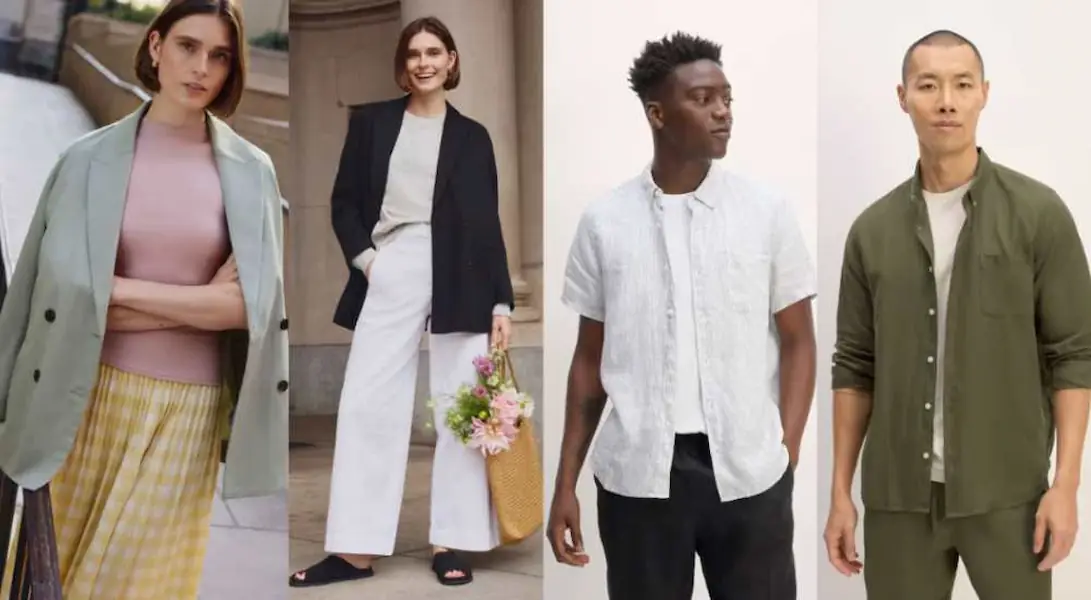
Everlane stands out in the fashion world for its commitment to transparency and ethical production. The brand prides itself on providing customers with a clear understanding of the costs involved in making their clothing, breaking down the price of each item to show the true cost of materials, labor, and transportation. This level of transparency builds trust and allows consumers to make more informed purchasing decisions.
Everlane’s mission goes beyond just offering stylish garments; it prioritizes Ethically Crafted Clothing with Fair Wages and Ethical Production. The brand partners with factories around the world that meet high standards for working conditions and wages. By ensuring that workers are treated fairly, Everlane tackles issues of exploitation and poor labor practices that have plagued the fashion industry for decades. One point is that transparency with customers is key to building trust and accountability.
Despite its focus on ethical practices, Everlane also manages to deliver a range of high-quality garments at reasonable prices. By cutting out traditional retail markups and selling directly to consumers online, Everlane can offer premium products without exorbitant price tags. The garments are designed with longevity in mind, using durable materials and timeless styles that remain fashionable year after year. This approach allows customers to invest in pieces that they can feel good about wearing, both in terms of style and ethics, without breaking the bank.
H&M:

H&M’s Conscious Collection represents a significant step towards sustainable fashion, combining stylish designs with a commitment to fair trade production and environmental responsibility. This line features garments made from organic and recycled materials, reflecting a dedication to reducing the fashion industry’s ecological footprint. By using sustainably sourced fabrics such as organic cotton, recycled polyester, and Tencel, H&M ensures that their products are kinder to the planet.
In addition to its focus on sustainable materials, the Conscious Collection also emphasizes fair trade production. With every item purchased, H&M collaborates with suppliers who adhere to strict standards for labor conditions, ensuring fair wages and safe working environments for the individuals involved in the manufacturing process. This ethical approach not only supports workers but also promotes more transparent and responsible supply chains within the industry.
The Conscious Collection is not just about sustainability and ethics; it also offers affordability and style. H&M’s design team creates trendy, high-quality items that are accessible to a broad audience, making it possible for consumers to enjoy fashionable pieces without compromising on their values. From chic dresses, comfortable basics, stylish t-shirts and tees, jeans, shoes, to statement accessories, the collection bridges the gap between eco-conscious choices and contemporary fashion, allowing shoppers to make a positive impact while staying stylish.
Zara:

Zara has solidified its reputation as a powerhouse in the fast fashion industry by striking the perfect balance between trendy designs and high-quality materials. The brand is renowned for its ability to quickly interpret the latest runway trends and transform them into affordable, wearable pieces that cater to a wide audience. By maintaining a rapid production cycle, Zara ensures that its collections remain fresh and on-trend, offering fashion-forward consumers the latest styles without the premium price tag typically associated with high fashion.
One of the secrets to Zara’s success is its commitment to using quality materials while keeping prices competitive. The brand meticulously selects fabrics that not only look good but also wear well over time, ensuring that customers can enjoy their purchases for seasons to come. From soft, durable cotton to refined wool blends and eco-friendly options, Zara’s material choices enhance the overall value and longevity of its garments.
Despite its focus on fast fashion, Zara maintains affordability without compromising on style or substance. The brand’s efficient supply chain and production methods, combined with its strategic pricing, allow it to offer high-quality, stylish clothing, shoes, and accessories at accessible price points. This approach makes it possible for consumers to keep their wardrobes up-to-date with the latest trends without overspending, maintaining a sense of luxury and sophistication on a budget. Whether it’s chic blouses, versatile outerwear, statement pieces, trendy crop tops, stylish jeans, fashionable dresses, accessories, or shoes, Zara continues to provide fashionable solutions for modern shoppers, proving that high-quality fashion can indeed be affordable.
ASOS:

ASOS has garnered a reputation for offering a wide range of styles that cater to virtually every fashion preference and occasion. This online retailer excels at providing reasonably priced clothing choices, ensuring that anyone can find stylish apparel without breaking the bank. Whether you’re seeking casual streetwear, elegant evening dresses, or professional work attire, ASOS has an extensive collection that fits diverse tastes and needs.
What distinguishes ASOS is its commitment to delivering high-quality clothing that stands the test of time. The brand curates favorite wardrobe staples that form the foundation of a versatile closet, from well-tailored jeans and comfortable knitwear to classic blazers, trendy tops, and stylish dresses. By emphasizing quality and durability, ASOS ensures that its pieces remain go-to choices for consumers season after season.
In addition to its focus on affordability and quality, ASOS makes fashion accessible to everyone around the globe. With inclusive sizing and a variety of collections that celebrate different body types and styles, the brand fosters a fashion-forward community where everyone can express their individuality. By combining stylish options with practical affordability, ASOS continues to be a beloved destination for fashion enthusiasts everywhere.
Understanding Sustainable Clothing

eco-friendly apparel is not just a fleeting trend but a significant movement towards preserving our planet while promoting ethical production practices. A Sustainable Clothing brand places a high value on minimizing environmental impact by using eco-friendly materials, reducing waste, and ensuring fair labor practices. These brands strive to create products that are not only high in quality and style but also kind to the environment and the people involved in making them.
What Defines A Sustainable Clothing Brand?
A sustainable clothing brand is defined by its commitment to several key principles. First and foremost, the use of sustainably sourced materials is paramount. This includes organic cotton, recycled fabrics, and innovative materials like bamboo or Tencel, which have a lower environmental footprint compared to conventional options. In addition, sustainable brands often prioritize low-impact manufacturing processes, such as using renewable energy resources and reducing water consumption.
Equally important is the brand’s dedication to ethical production practices. This involves ensuring that all workers within the supply chain are treated fairly, receive fair wages, and work in safe conditions. Transparency is another cornerstone, with brands openly sharing their production methods, sourcing origins, and labor conditions with consumers.
Importance Of Sustainable Materials And Ethical Production
The significance of using a range of environmentally friendly materials cannot be overstated. Traditional clothing production often involves processes that are harmful to the environment, such as excessive water usage, chemical treatments, and waste generation. Sustainable materials, on the other hand, help reduce these negative impacts. For instance, organic cotton is grown without harmful pesticides and uses significantly less water than conventional cotton. Recycled materials help reduce waste by giving new life to old fabrics, thereby decreasing the need for virgin resources.
Ethical production is equally crucial as it ensures that the rights and well-being of workers are protected. Fair labor practices prevent exploitation and unsafe working conditions, which are unfortunately prevalent in many garment factories around the world. Ethical production promotes social responsibility and fosters better quality of life for workers, leading to more sustainable communities. By supporting sustainable clothing brands, consumers can make a positive impact on both the environment and society, promoting a fashion industry that values people and the planet.
Patagonia:

Patagonia is a pioneer in the eco-friendly apparel industry, setting the standard for eco-friendly practices and high-quality apparel. The brand’s unwavering dedication to environmental stewardship is evident in every aspect of its operations, from the materials it uses to the initiatives it supports. Patagonia’s commitment to the planet is not just about reducing its own footprint; it aims to inspire other companies and consumers to adopt more sustainable practices.
One of the key components of Patagonia’s eco-friendly approach is its use of organic cotton. Unlike conventional cotton, which relies heavily on harmful pesticides and vast amounts of water, organic cotton is grown using methods and materials that have a lower impact on the environment. This sustainable choice helps reduce soil and water contamination, promoting a healthier ecosystem. Patagonia’s commitment to sustainability extends to its popular graphic tees, which prominently feature organic cotton. In addition to organic cotton, Patagonia also prominently features recycled materials in its clothing lines. By repurposing materials like polyester from reclaimed plastic bottles and discarded fabrics, the brand significantly cuts down on waste and conserves natural resources.
Patagonia’s dedication to sustainability extends beyond materials. The company is committed to fair labor practices, ensuring that all workers in their supply chain are treated with respect and paid fair wages. Transparency is a cornerstone of Patagonia’s ethos, with the brand openly sharing information about its sourcing and production processes. This comprehensive approach makes Patagonia a leader in the fashion industry, showcasing that it is possible to create exceptional clothing while protecting the planet and promoting ethical principles.
Reformation:

Reformation is at the forefront of combining the latest trends with sustainable practices, making it a favorite among eco-conscious fashionistas. The brand is dedicated to producing stylish clothing while maintaining a strong commitment to environmental responsibility. One of Reformation’s core principles is the focus on equitable trade manufacturing. The brand ensures that all workers involved in its supply chain are treated ethically, receiving fair wages and working in safe conditions. This commitment to fair trade not only supports sustainable livelihoods but also fosters a more equitable fashion industry.
In addition to ethical production, Reformation is renowned for its use of a good range of quality fabrics. The brand prioritizes sustainable materials such as Tencel, natural cotton, and recycled fabrics, which significantly reduce the environmental impact compared to conventional fabrics. By sourcing materials thoughtfully and designing with durability in mind, Reformation’s pieces, including their tees, are made to last, encouraging a more sustainable approach to fashion consumption.
By marrying style with sustainability, Reformation proves that it is possible to stay ahead of fashion trends without compromising on ethical standards. The brand’s innovative approach serves as an inspiration for both consumers and other companies, demonstrating that fashion with a conscience can be both chic and responsible.
Amour Vert:
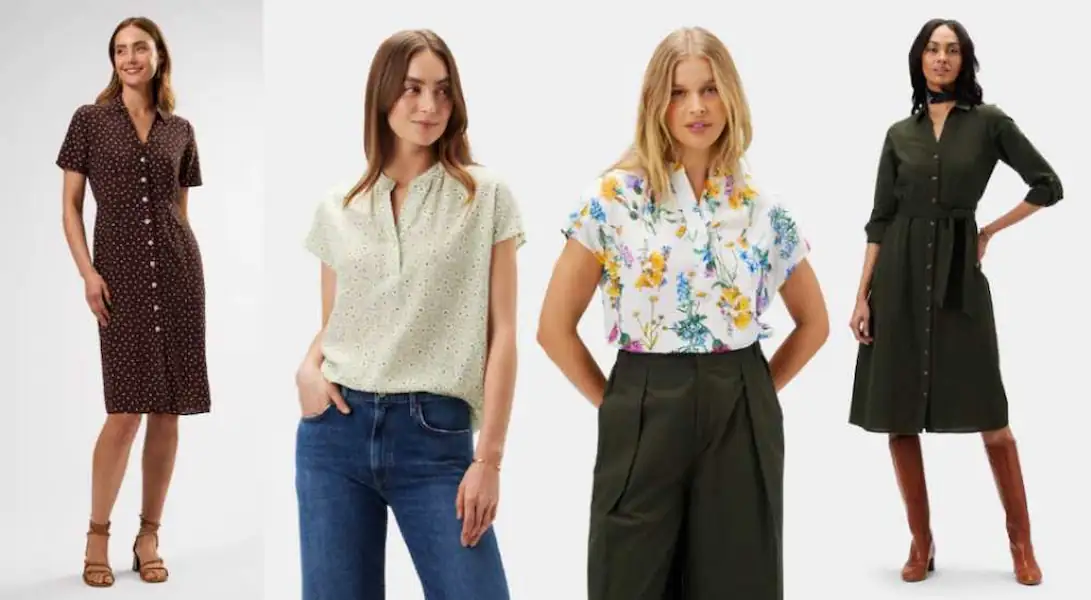
Amour Vert perfectly embodies the concept of eco-friendly elegance by seamlessly incorporating sustainable practices into the production of their chic, contemporary clothing. This brand is noteworthy for its extensive use of organic clothes materials, such as organic cotton and Tencel, which offer both comfort and durability while maintaining a minimal environmental footprint. These materials are selected not only for their sustainable properties but also for their superior quality and feel, ensuring that each piece is beautiful both inside and out.
Amour Vert also places a strong emphasis on sustainable production practices. The brand is dedicated to minimizing waste through efficient production methods and local manufacturing of tees, which reduces carbon emissions linked to transportation. By producing a majority of its garments, including tees, in California, Amour Vert ensures strict adherence to high environmental and ethical standards, supporting fair wages and safe working conditions.
Despite its commitment to quality and sustainability, even under extraordinary circumstances, Amour Vert remains an affordable brand, making stylish and sustainable fashion accessible to a wide range of consumers. This combination of affordability, environmental stewardship, and elegant design sets Amour Vert apart in the fashion industry, offering customers a guilt-free way to enjoy the latest trends.
Pact:
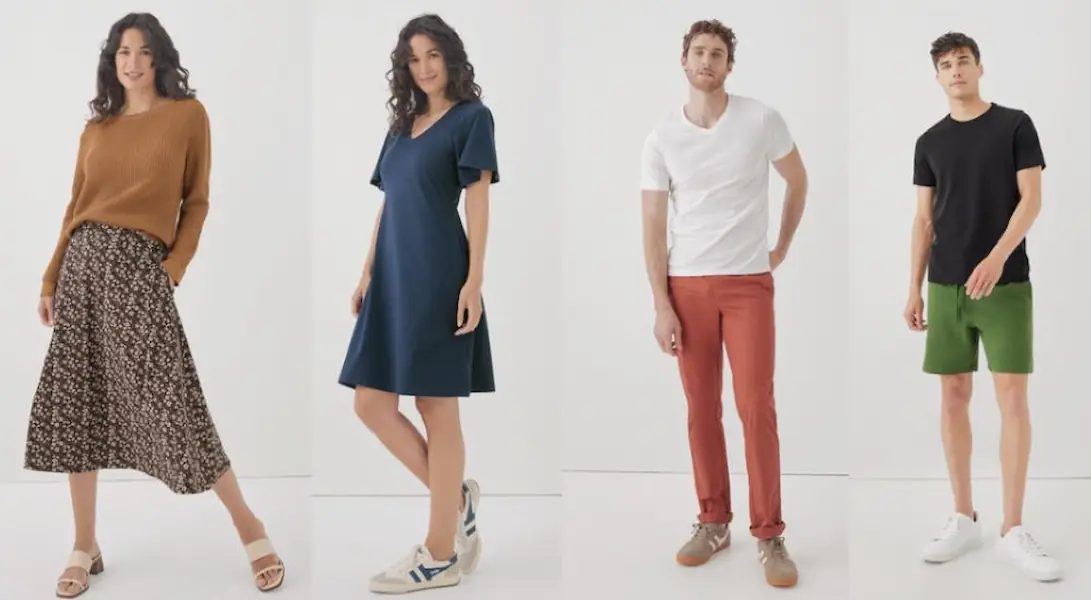
Pact is synonymous with affordable and high-quality clothing made from natural cotton, perfectly balancing comfort and sustainability. As an ethical fashion brand, Pact is dedicated to providing stylish wardrobe essentials while ensuring minimal environmental impact. The brand’s commitment to sustainability starts with its use of organic cotton, organically grown without harmful pesticides or synthetic fertilizers, which promotes healthier soil and waterways. This conscientious farming method not only benefits the environment but also supports safer working conditions for farmers.
Pact’s clothing line is designed to prioritize comfort, featuring soft, breathable fabrics that are gentle on the skin. This focus on wearability makes Pact a popular choice for those seeking versatile and comfortable everyday wear. By maintaining fair labor practices, the brand guarantees that workers involved in its supply chain are treated ethically, with fair wages and safe working environments.
Despite its commitment to quality and sustainability, Pact remains accessible, offering its eco-friendly products, including tees, at competitive prices. This approach ensures that more consumers can afford to make environmentally conscious choices without sacrificing style or comfort. By choosing Pact, customers are supporting a fashion industry that values ethical production and environmental responsibility, demonstrating that sustainable fashion can be both stylish and affordable.
People Tree:
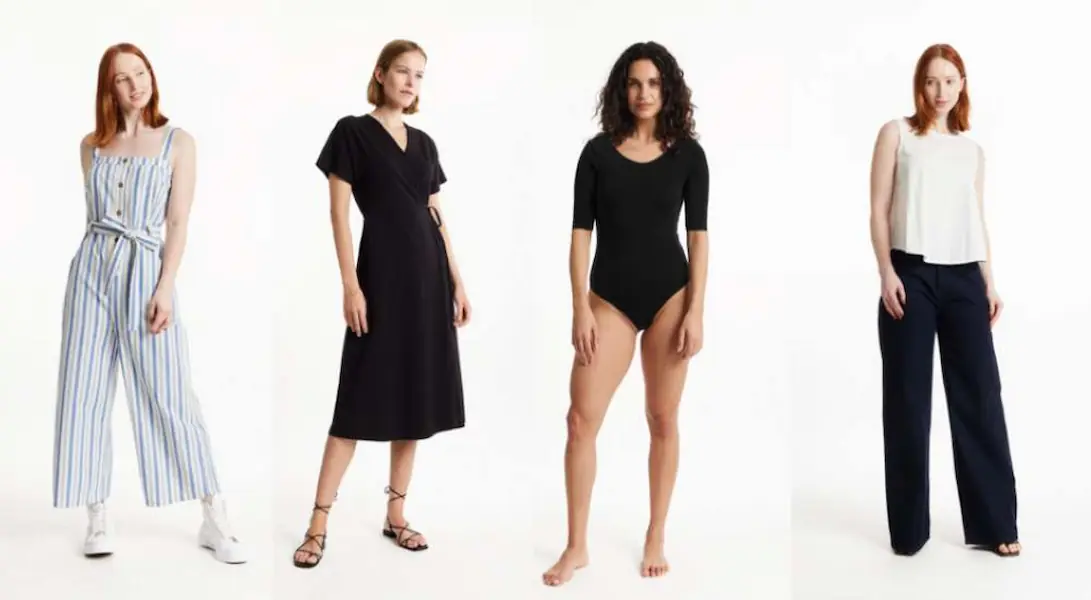
People Tree is a pioneering brand in the realm of fair trade fashion, dedicated to creating high-quality garments through ethical craftsmanship. From its inception, People Tree has focused on building sustainable and transparent supply chains that support artisans and farmers across the globe. This commitment ensures that all individuals involved in the production process receive fair wages, fostering economic stability and enhancing quality of life in their communities.
One of the key pillars of People Tree’s philosophy is its dedication to fair trade principles. Every piece of clothing is crafted with care, respecting both people and the planet. The brand collaborates with a network of fair trade producers who employ traditional skills such as hand weaving, hand knitting, and hand embroidery. This not only preserves these valuable cultural practices but also provides meaningful employment opportunities under ethical conditions.
Despite its unwavering commitment to ethical production, People Tree remains accessible to a broad range of consumers. This fashion brand offers affordable price points for its high-quality, stylish garments and tees, making fair trade fashion attainable for many. By choosing People Tree, customers are not only investing in well-made clothing but also supporting a fashion industry that prioritizes social justice, environmental sustainability, and economic fairness.
Why Sustainable Clothing Matters
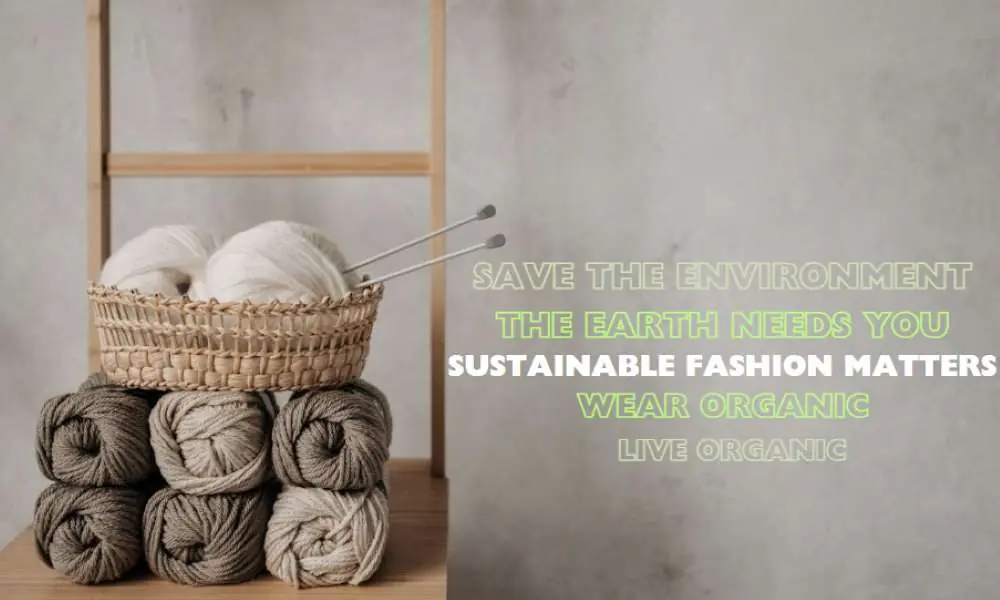
Choosing sustainable clothing is vital for numerous reasons, including the long-term benefits of selecting quality garments made through sustainable practices. Unlike fast fashion items, which are often designed to be disposable, eco-friendly apparel is created with durability in mind, reducing the frequency of replacements and ultimately decreasing textile waste.
Reducing the consumption of fast fashion has a profound positive impact on the environment. Fast fashion often relies on low-quality materials and wasteful production methods that contribute significantly to pollution and resource depletion. By opting for sustainable clothing, consumers can minimize their environmental footprint and help foster a more eco-friendly fashion industry.
Materials That Matter
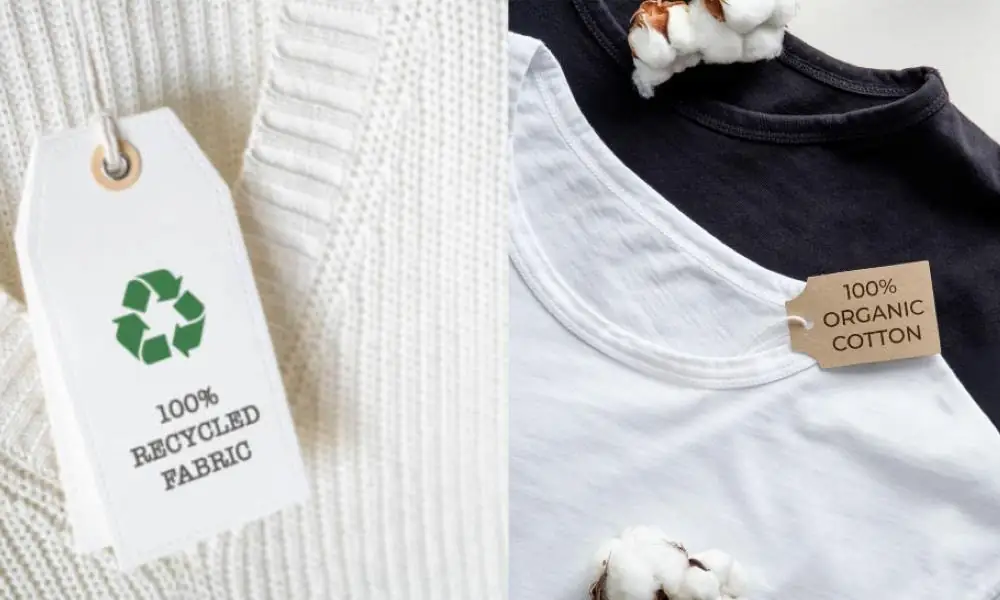
environmentally friendly materials like organic cotton and recycled fabrics play a crucial role in reducing the environmental impact of clothing production. Natural cotton is grown without harmful pesticides and synthetic fertilizers, promoting healthier soil and cleaner waterways. Recycled fabrics help divert waste from landfills and reduce the demand for virgin materials, conserving natural resources.
High-quality fabrics not only offer superior comfort and longevity but also have a lesser environmental impact. Although they may require a higher initial investment, durable, well-made garments need fewer replacements over time, leading to reduced waste and lower resource consumption. By investing in high-quality fabrics, consumers can contribute to a more sustainable and responsible fashion industry.
How To Identify Sustainable Brands
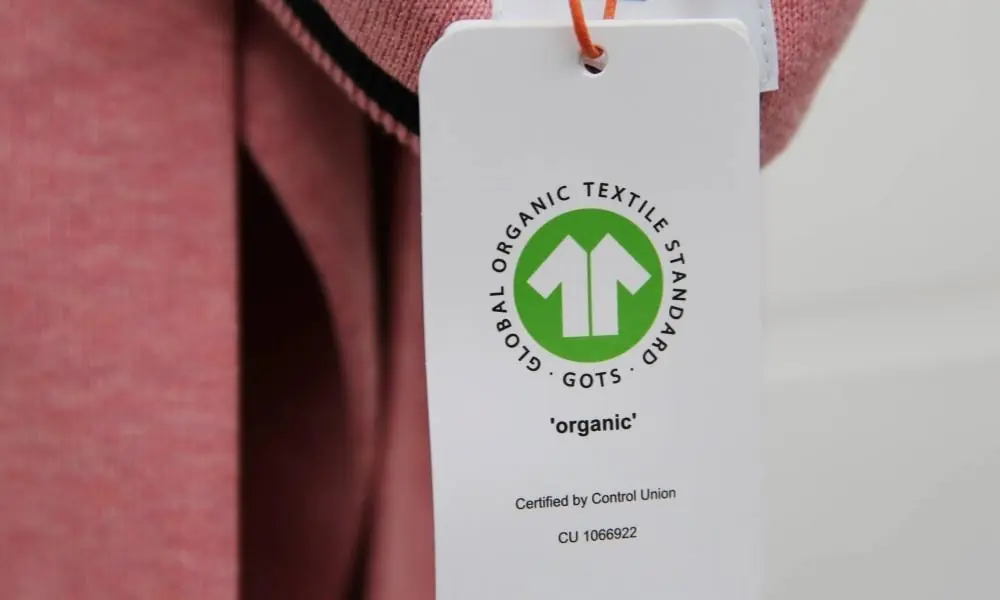
Recognizing clothing brands that prioritize sustainable practices can help consumers make informed choices. Look for brands that are transparent about their production processes, use eco-friendly materials, and commit to fair labor practices. Certifications such as Fair Trade, GOTS (Global Organic Textile Standard), and Bluesign can also be indicators of a brand’s dedication to sustainability.
Ethical production and fair wages are cornerstones of sustainable fashion. Brands that ensure safe working conditions and fair compensation for workers contribute to a more equitable and just industry. Consumers can support these efforts by seeking out brands that prioritize the welfare of their employees and maintain high ethical standards.
Sustainable Fashion On A Budget
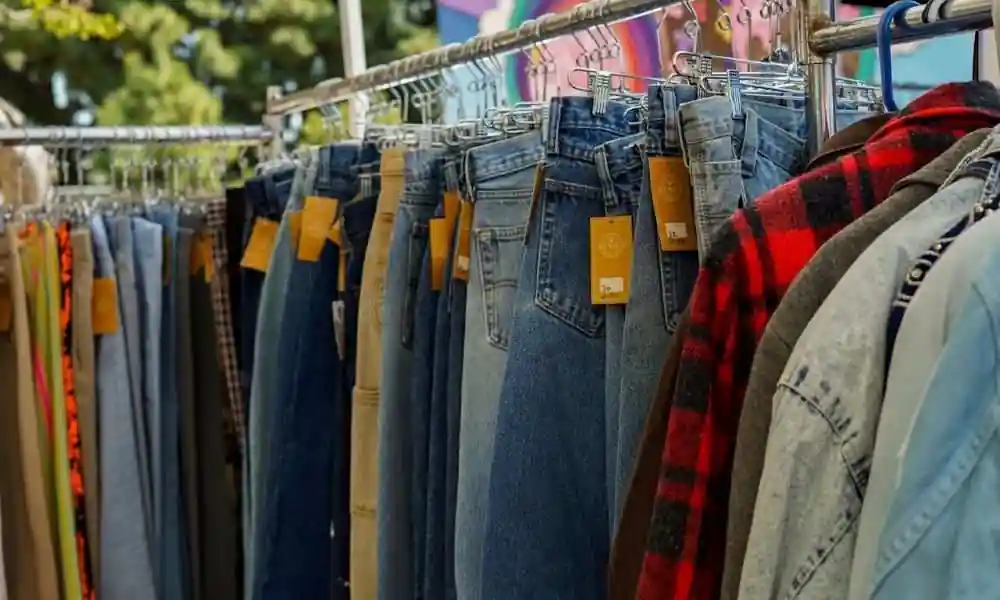
Finding affordable fashion that is also sustainable can be challenging but not impossible. Thrifting, shopping at second-hand stores, and participating in clothing swaps are excellent ways to acquire stylish, eco-friendly clothing without breaking the bank. Many sustainable brands also offer sales and discounts, making it easier to purchase good quality garments at lower prices.
When shopping for sustainable clothing on a budget, focus on versatile, timeless pieces that can be worn in multiple ways. Look for well-constructed items made from durable materials, as these will last longer and offer better value over time. Additionally, consider investing in essential wardrobe staples that can elevate various outfits and reduce the need for frequent purchases.
Caring For Your Sustainable Clothing
Proper care is essential to ensure the longevity and maintain the quality of sustainable clothing. Follow the care instructions provided by the manufacturer, and use gentle, eco-friendly detergents. Avoid over-washing and opt for air drying when possible to preserve the fabric’s integrity and reduce energy consumption.
Caring for organic clothes materials and good quality garments prolongs their lifespan and maintains their appearance. Treating stains promptly, storing clothes appropriately, and avoiding harsh chemicals can keep your wardrobe looking its best. By taking good care of your eco-friendly apparel, you can maximize its value and minimize your environmental impact.
The Rise Of Sustainable Fashion

Sustainable fashion has rapidly gained traction as consumers become more aware of the environmental and ethical implications of their clothing choices. The trend toward sustainability in the fashion industry is marked by a shift from mass-produced, disposable fast fashion towards eco-friendly, ethically produced garments. This change is driven by a growing demand for transparency, environmental responsibility, and social justice from both consumers and brands.
Modern fashion trends are increasingly focused on sustainability, with more designers and brands prioritizing sustainable practices in their operations. This includes using eco-friendly materials, reducing waste, and ensuring fair treatment of workers. Collaborative initiatives, such as fashion weeks dedicated to sustainable designers and eco-conscious collections from mainstream brands, highlight the industry’s commitment to greener practices.
The adoption of sustainable practices in fashion significantly contributes to global environmental efforts. By reducing reliance on non-renewable resources, minimizing waste, and lowering greenhouse gas emissions, sustainable fashion helps mitigate the industry’s environmental footprint. Additionally, promoting a circular economy in fashion, which emphasizes recycling and reusing materials, aligns with global sustainability goals and fosters a more responsible approach to production and consumption.
Innovative Approaches In Sustainable Fashion

Brands are embracing new technologies and innovative practices to enhance sustainability in the fashion industry. These approaches not only improve the environmental impact of clothing production but also drive forward-thinking solutions for the future of fashion.
The integration of cutting-edge technologies such as 3D printing, digital garment design, and smart textiles is revolutionizing sustainable fashion. These advancements allow for more efficient production processes, reduced excess inventory, and personalized designs, all while minimizing waste. Brands are also adopting practices such as waterless dyeing techniques, closed-loop manufacturing systems, and renewable energy sources to further reduce their environmental impact. Additionally, the concept of a capsule wardrobe is gaining popularity, promoting minimalism and sustainability by encouraging the use of a smaller selection of higher quality, versatile pieces.
Innovative materials like biodegradable fabrics, mushroom leather, and lab-grown alternatives to traditional textiles are paving the way for a more sustainable fashion industry. These high-quality, eco-friendly materials offer durability and reduce the need for frequent replacements. In addition to materials, brands are also focusing on sustainable packaging solutions, such as compostable bags and reusable containers, to minimize plastic waste and encourage a more circular economy.
DIY Sustainable Fashion
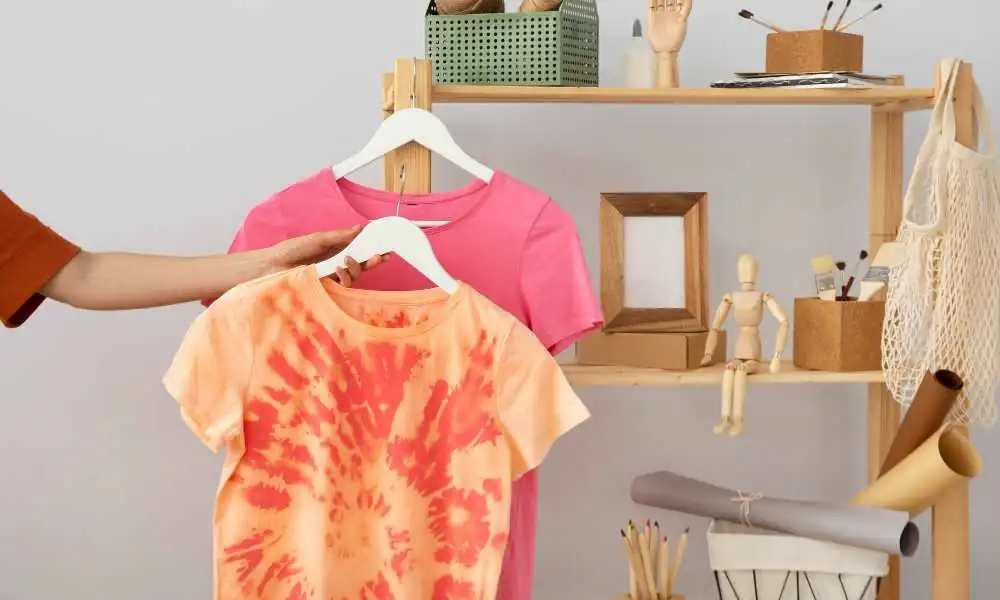
Embracing DIY sustainable fashion is an excellent way for individuals to actively participate in the movement and reduce their environmental footprint. Upcycling and repurposing old clothing not only breathe new life into garments but also emphasize the value of slow fashion.
Upcycling involves creatively transforming old or unused clothing into new, stylish pieces. This practice not only diverts textiles from landfills but also offers a personalized, unique approach to slow fashion. Tutorials and workshops that teach upcycling skills empower individuals to reimagine their wardrobe sustainably.
Slow fashion advocates for a mindful and sustainable approach to clothes consumption by prioritizing quality over quantity. Emphasizing the craftsmanship and durability of garments, slow fashion encourages consumers to invest in timeless pieces that last longer. This approach drastically reduces clothing waste and promotes a more sustainable fashion lifecycle.
The Future Of Sustainable Fashion
The future of sustainable fashion is promising, with continuous innovations and increasing consumer awareness driving the industry towards more sustainable practices. Predictions for the fashion industry suggest an intensified focus on environmental responsibility and high-quality, ethical clothing.
As the demand for sustainable fashion grows, we can expect further advancements in eco-friendly materials and technologies for clothes. The fashion industry is likely to see increased regulation and standards, pushing more brands to adopt sustainable practices. Additionally, the rise of digital fashion and virtual try-ons could reduce the need for physical clothes samples, cutting down on waste and resource consumption.
The trend towards sustainability will continue to shape the future of fashion, with brands investing more in research and development of sustainable materials and processes. Consumers will increasingly prioritize environmental impact and ethical considerations in their purchasing decisions, leading to a more transparent and accountable industry. As sustainable fashion becomes mainstream, the industry will likely see a shift towards higher quality, longer-lasting garments that emphasize both style and sustainability.
Top Affordable Brands To Know
Navigating the sustainable fashion landscape doesn’t have to break the bank. Here is a curated list of affordable brands offering high-quality clothing that ensures you don’t compromise style for sustainability.
Everlane: Known for its transparency and ethical practices, Everlane offers timeless pieces at affordable price. Their commitment to using environmentally friendly materials and ethical factories makes them a top choice for conscious consumers.
Uniqlo: Combining quality, style, and affordability, Uniqlo provides a variety of wardrobe staples that are built to last. Their focus on functional fabrics and minimalist designs ensures you get value for your money. Pre loved clothing is also a great option.
PACT: Specializing in organic cotton clothing, PACT offers budget-friendly, sustainable basics. Their products are Fair Trade Certified, making them a reliable choice for environmentally-conscious shoppers.
H&M Conscious: H&M’s Conscious line features clothing made from environmentally friendly materials like natural cotton and recycled polyester. This line makes eco-friendly fashion accessible without a hefty price tag.
Mango Committed: Mango’s Committed collection prioritizes sustainable fabrics and responsible manufacturing processes. Offering stylish and affordable pieces, this line is perfect for fashion-forward individuals.
Shopping Tips For Affordable Quality Clothing

Finding good quality garments at affordable price is an art form. Here are some strategies to help you shop smart and get the best deals:
Know Your Materials: Understanding fabric types can help you identify long-lasting, high-quality pieces. Natural fibers like cotton, wool, and linen often offer better durability compared to synthetic materials.
Look For Sales And Discounts: Timing your purchases around sales events like Black Friday, end-of-season sales, and holiday promotions can result in significant savings on quality clothes.
Secondhand Shopping: Thrift stores, consignment shops, and online resale platforms can be treasure troves for high-quality secondhand clothing at a fraction of the original price.
Subscribe To Newsletters: Signing up for newsletters from your favorite brands can provide insider access to upcoming sales and exclusive discounts.
Online Platforms For Affordable Fashion
The digital age has made finding affordable, high-quality clothing easier than ever. Here are some of the best websites and apps for shopping:
ThredUp: As one of the largest online consignment and thrift stores, ThredUp offers a vast selection of gently-used clothing from popular brands at significant discounts.
ASOS Marketplace: This platform features independent brands and vintage boutiques, offering unique pieces at affordable prices.
Depop: Depop is a social shopping platform where users can buy, sell, and discover secondhand and vintage clothing. It’s great for finding one-of-a-kind items and supporting small sellers.
Etsy: Known for handmade and vintage goods, Etsy offers numerous shops that specialize in sustainable and affordable fashion pieces.
Seasonal Sales And Discounts

Making the most of sales for quality purchases can drastically reduce your expense:
Black Friday & Cyber Monday: These major shopping events offer deep discounts across many brands. It’s a prime time to score deals on high-quality items.
End-of-Season Sales: Retailers often discount current season’s merchandise to make room for new stock. This is an excellent opportunity to buy timeless pieces at reduced prices.
Holiday Sales: Holidays like Fourth of July, Labor Day, and Memorial Day often come with significant discounts on apparel.
Conclusion:
Balancing affordability, quality, and sustainability in your fashion choices is crucial in today’s world. It’s about making conscious decisions that reflect not only your personal style but also your values and commitment to the planet. By opting for high-quality, durable garments, you invest in pieces that last longer and maintain their appeal, reducing the need for frequent replacements. This approach not only saves money in the long run but also contributes to a more sustainable wardrobe.
When building a wardrobe, it’s essential to find a balance between affordability, quality, and sustainability. Many brands now offer high-quality clothing at reasonable prices, making it easier to maintain this balance. Brands like Uniqlo, Everlane, H&M Conscious, and others are leading the way by providing stylish, durable garments that don’t break the bank. By choosing these brands, you can enjoy the benefits of well-crafted clothing without compromising your financial well-being or ethical standards.
Supporting brands that prioritize sustainability and ethical practices is another crucial aspect of making conscious fashion choices. Opting for clothing made from eco-friendly materials and produced under fair labor conditions helps promote a more ethical and environmentally friendly fashion industry. It’s about making informed decisions that align with your values while still enjoying fashionable and durable apparel.